
Oestrogen HRT Explained: Oestrogel, Sandrena, Patches, Tablets and Vaginal Oestrogen
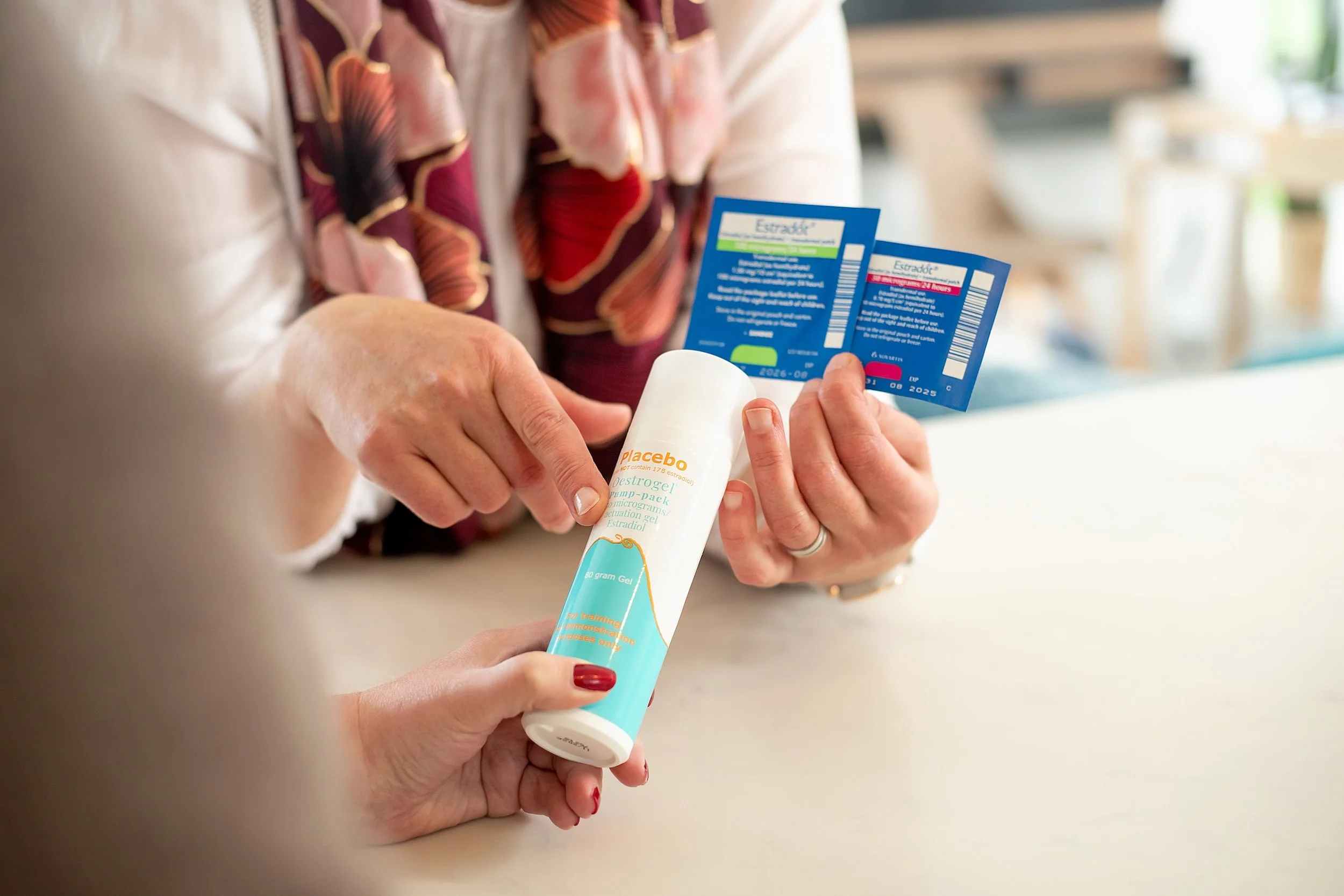
If you've started researching Hormone Replacement Therapy (HRT), you've probably discovered something unexpected: there isn't just one type of oestrogen.
There are gels, patches, sprays, tablets and vaginal treatments. There are familiar names such as Oestrogel, Sandrena, Estradot, Evorel, Lenzetto and Vagifem. And if you're wondering which one is best, you're certainly not alone.
At Jaya Life, one of the questions we hear most often is: "What's the difference between all the oestrogen options?"
The reassuring answer is that there is no single "best" type of oestrogen. Instead, there are several effective options that can be tailored to your symptoms, lifestyle and individual needs.
As Dr Lucy Mather, menopause specialist at Jaya Life, explains:
"Many women are surprised by how many treatment options are available. The goal is to find the HRT product which works best for you- the option that suits your body, treats your symptoms and your fits in with you life."
Why is oestrogen used in HRT?
During perimenopause and menopause, the ovaries gradually produce less oestrogen. These changing hormone levels are responsible for many of the symptoms women experience.
Oestrogen influences multiple systems throughout the body, including temperature regulation, sleep, mood, bone health, vaginal tissues and cognitive function. As levels fluctuate and decline, women may experience:
Sleep disturbances
Brain fog
Low mood or anxiety
Joint aches and pains
Hot flushes and Night Sweats
Vaginal dryness
Reduced libido
Urinary symptoms…to name a few!
According to the NHS and British Menopause Society, HRT is the most effective treatment for menopausal symptoms for most women who are suitable to use it.
For women who still have a womb, oestrogen is usually prescribed alongside progesterone to protect the lining of the uterus. Women who have had a hysterectomy may be able to use oestrogen-only HRT, but sometimes progesterone is prescribed depending on history and symptoms.
The different types of oestrogen HRT
There are several ways to take oestrogen, and the choice often comes down to personal preference as much as clinical considerations.
Some women prefer gels such as Oestrogel or Sandrena, which are applied daily to the skin. Others favour patches that only need changing once or twice a week. Spray in the form of Lenzetto offers another skin-based option, while tablets remain a popular choice for women who prefer taking medication orally.
There are also vaginal oestrogen treatments designed specifically for symptoms such as dryness, discomfort and bladder irritation.
"One of the benefits of modern menopause care is flexibility," says Dr Mather. "If one treatment doesn't suit you, there are often other options we can explore."
Oestrogel and Sandrena: understanding oestrogen gels
Oestrogel and Sandrena are among the most commonly prescribed forms of HRT in the UK.
Both contain estradiol, a form of body-identical oestrogen, and both are absorbed through the skin. This means the hormone enters the bloodstream directly rather than passing through the digestive system.
Oestrogel: Oestrogel is supplied in a fixed dose pump dispenser and applied daily to the outer arms, or inner thighs. Many women like Oestrogel because it allows flexibility when adjusting doses and can be easily incorporated into a daily routine and discrete.
Sandrena Gel: Sandrena works in a similar way but comes in pre-measured sachets. Some women prefer the simplicity of knowing each sachet contains a fixed amount of medication, making daily application straightforward and consistent. It is also easy to take with you when travelling. Although the two products contain the same active hormone, individual women sometimes develop a preference for one over the other based on convenience, application or symptom control.
Oestrogen patches
Oestrogen patches provide a steady release of hormone through the skin and are usually changed once or twice each week.
Common brands include Estradot and Evorel.
For many women, patches offer convenience because treatment doesn't need to be applied daily. They can also provide stable hormone delivery, which some women find helpful.
The main drawback is that patches may occasionally cause skin irritation in some women and sometimes loosen during hot weather, exercise or swimming (but this does not occur with every woman).
Oestrogen sprays
Lenzetto is the main oestrogen spray available in the UK.
Applied to the inner forearm once daily, it delivers estradiol through the skin in a quick and discreet format.
Women who dislike the texture of gels or want a fast application often find sprays an attractive alternative.
Oestrogen tablets
Tablet forms of HRT have been used successfully for many years and continue to be a suitable option for many women.
Some women simply prefer taking medication in tablet form because it feels familiar and easy to remember as part of a daily routine.
Unlike gels, patches and sprays, tablets are absorbed through the digestive system before entering the bloodstream. There is a potential increase clot risk with this. Your healthcare professional will consider your medical history and individual circumstances when advising whether oral HRT is appropriate for you.
Vaginal oestrogen: support for intimate symptoms
While hot flushes and night sweats are often the symptoms people associate with menopause, lower oestrogen levels can also affect vaginal and urinary tissues.
This may lead to:
Vaginal dryness
Burning or irritation or fissures
Pain or discomfort during sex
Recurrent urinary tract infections
Urinary urgency or frequency
Local vaginal oestrogen treatments are designed specifically to improve these symptoms by delivering low doses of oestrogen directly to the affected tissues.
Common options include:
Vagifem - Small vaginal tablets inserted using an applicator.
Imvaggis - Soft pessaries that release oestrogen locally within the vagina.
Ovestin - A vaginal cream that can help restore moisture and comfort.
Estring - A flexible vaginal ring that remains in place for around three months before replacement.
Many women are unaware that vaginal oestrogen can often be used alongside other forms of HRT if symptoms persist.
"Vaginal symptoms are incredibly common, but they are not something women should simply put up with," says Dr Mather. "There are highly effective and safe treatments available that can make a real difference to comfort and quality of life."
How do you know which type of oestrogen is right for you?
Choosing the most suitable form of oestrogen depends on several factors.
Your symptoms are important. Women experiencing vaginal dryness may benefit from vaginal oestrogen, while those troubled by hot flushes and night sweats often require systemic HRT.
Lifestyle also plays a role. Some women prefer the simplicity of a patch changed once or twice weekly, while others are happy applying a gel or spray each day.
Medical history matters too. Factors such as migraine, cardiovascular risk factors and other health conditions may influence which options are most appropriate.
Most importantly, treatment should feel manageable and fit naturally into your everyday life.
Finding the right fit
The growing range of oestrogen treatments available today reflects an important shift in menopause care: recognising that women need choice.
Whether that choice is Oestrogel, Sandrena, a patch, a spray, a tablet or vaginal oestrogen, the aim is the same: reducing symptoms, improving wellbeing and helping women feel more like themselves again.
At Jaya Life, we believe menopause care should be evidence-based, personalised and compassionate. Because understanding your options is often the first step towards making confident decisions about your health and wellbeing.
