
Menopause and Muscle Loss: Why It Happens, How to Spot It and What You Can Do
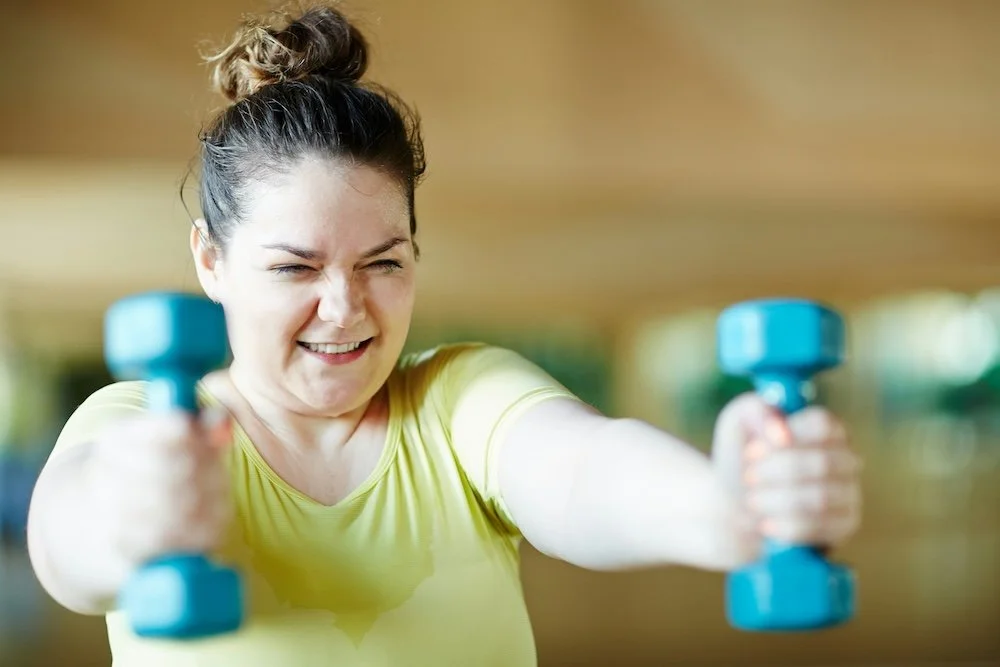
You haven't changed your exercise routine, but carrying the shopping suddenly feels harder. Opening jars takes more effort. The weights you once lifted comfortably now feel surprisingly heavy. Perhaps you've noticed your arms look different, your legs feel weaker, or getting up from the floor isn't quite as effortless as it used to be.
For many women, these subtle changes can be confusing. We often associate menopause with hot flushes, night sweats and mood changes, but muscle loss is another common – and often overlooked – part of the menopause transition.
At Jaya Life, we regularly speak to women who worry that they've ‘become unfit overnight’ or that they're simply getting older. While ageing does affect muscle strength, the hormonal changes of perimenopause and menopause can accelerate the process.
As Dr Lucy Mather, menopause specialist at Jaya Life, explains: "Many women are surprised to learn that muscle health is closely linked to hormones. Oestrogen supports muscles in a number of ways, so when levels begin to decline, it's common to notice changes in strength, endurance and recovery. The good news is that there is a lot we can do to protect muscle health during menopause."
Can menopause cause muscle loss?
Yes. Declining oestrogen levels during perimenopause and menopause are associated with a gradual reduction in muscle mass and muscle strength.
This process forms part of a broader age-related condition known as sarcopenia, which becomes more common from midlife onwards. Research suggests that the fall in oestrogen during menopause can accelerate this natural decline.
Muscle is far more than something that helps us stay active. Healthy muscle supports:
Balance and mobility
Bone strength
Joint stability
Metabolic health
Blood sugar regulation
Everyday independence as we age
Protecting muscle is therefore an important part of maintaining long-term health and quality of life.
Why does menopause affect muscle?
Oestrogen has important effects throughout the body, including within muscles.
Although researchers are still learning exactly how these processes work, declining oestrogen appears to influence:
The body's ability to build and repair muscle
Muscle protein synthesis
Recovery after exercise
Inflammation
Energy metabolism
At the same time, many women experience poor sleep, fatigue and joint pain during menopause, making it harder to stay active. Reduced activity can then contribute to further muscle loss.
"It's rarely just one factor," says Dr Mather. "Hormonal changes, disrupted sleep, reduced physical activity and everyday life pressures can all combine to affect muscle strength during menopause."
How common is muscle loss during menopause?
Loss of muscle mass is considered a normal part of ageing, but evidence suggests women often notice changes more rapidly during the menopause transition.
Many women report:
Feeling physically weaker
Reduced grip strength
Less stamina
Difficulty maintaining previous levels of fitness
Longer recovery after exercise
Not every woman experiences these changes to the same degree. Genetics, activity levels, diet and overall health all play a role.
What does menopause-related muscle loss feel like?
Unlike hot flushes, muscle loss usually develops gradually.
You might notice:
Carrying shopping feels heavier
Climbing stairs leaves your legs feeling weaker
Lifting children or grandchildren becomes harder
Everyday tasks require more effort
Your muscles tire more quickly
Reduced strength during exercise
Less muscle definition despite regular activity
Slower recovery after workouts
Some women also notice increased aches and stiffness, although these may also be related to changes affecting joints, tendons and connective tissues during menopause.
How do you know if it's menopause and not something else?
This is an important question.
While menopause can contribute to muscle loss, it should not automatically be assumed to be the cause of every new symptom.
Muscle weakness can also be associated with:
Thyroid disorders
Vitamin D deficiency
Iron deficiency
Vitamin B12 deficiency
Certain medications
Neurological conditions
Autoimmune diseases
Reduced physical activity
Poor nutrition
If muscle weakness develops suddenly, affects only one side of the body, is severe, or is accompanied by other concerning symptoms, medical assessment is important.
Dr Mather explains: "One of the key roles of a menopause consultation is making sure we're not overlooking something else. Menopause is common, but so are other conditions that can cause similar symptoms. Good menopause care always considers the bigger clinical picture."
Can HRT help muscle loss?
Some research suggests that HRT may help support muscle function by replacing declining oestrogen levels, particularly when combined with regular resistance exercise and adequate protein intake.
However, HRT is not prescribed solely to increase muscle mass.
According to the British Menopause Society, the primary indication for HRT is the treatment of menopausal symptoms and, where appropriate, the prevention of osteoporosis in eligible women.
For women already taking HRT to manage menopausal symptoms, maintaining healthy muscle may be one of several positive effects associated with improved hormonal balance.
What can you do to protect muscle during menopause?
The encouraging news is that muscle responds to positive lifestyle changes at any age.
Prioritise strength training
Resistance exercise is one of the most effective ways to preserve and build muscle.
This doesn't necessarily mean lifting heavy weights. Resistance bands, bodyweight exercises, Pilates and supervised strength training can all help.
Eat enough protein
Protein provides the building blocks muscles need for repair and maintenance.
Including a source of protein with each meal can help support muscle health alongside regular exercise.
Stay active
Regular movement matters.
Walking, swimming, cycling and yoga all contribute to overall fitness, while combining aerobic activity with strength work offers the greatest benefits for healthy ageing.
Support bone health
Muscle and bone health are closely connected.
Ensuring adequate calcium and vitamin D intake, where appropriate, alongside weight-bearing exercise can help support both.
Look after your sleep
Sleep is when much of the body's repair takes place.
Addressing night sweats, insomnia or other menopausal symptoms may make it easier to recover from exercise and maintain regular physical activity.
When should you seek advice?
It's worth speaking to a healthcare professional if you notice:
Progressive muscle weakness
Loss of strength affecting daily activities
Persistent fatigue
Frequent falls or balance problems
Muscle symptoms alongside other menopausal symptoms
Concerns that your symptoms may have another cause
Early assessment allows other medical conditions to be considered while helping you explore evidence-based options for managing menopause.
Strong today, stronger tomorrow
Muscle loss during menopause is common, but it isn't inevitable, and it certainly isn't something women simply have to accept.
Understanding the role hormones play in muscle health allows women to take positive steps that support strength, mobility and confidence for years to come.
At Jaya Life, we believe menopause care is about much more than managing hot flushes. It's about protecting long-term health, maintaining independence and helping women feel strong in every sense of the word.
Because menopause may change your body, but with the right support, it doesn't have to define what your body is capable of.
